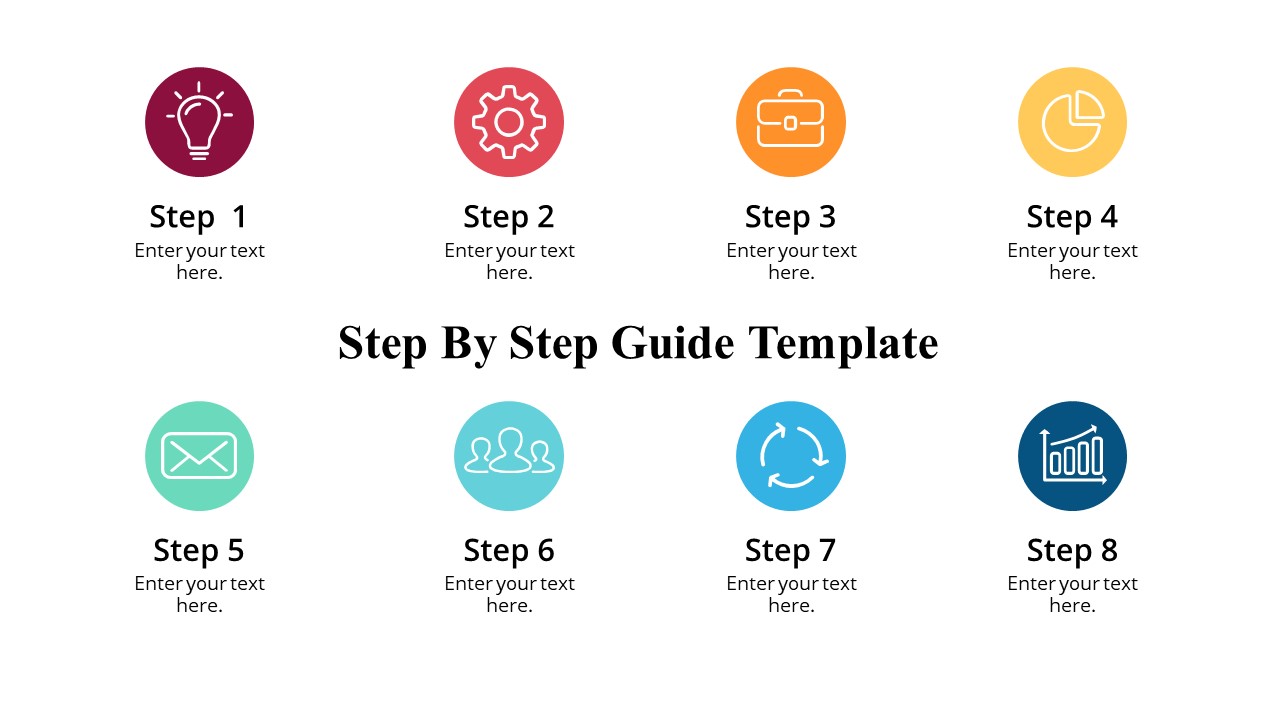
Mastering Any Skill: A Comprehensive Step-by-Step Guide
In today’s fast-paced world, the ability to master a skill efficiently can set you apart from the competition. Whether it’s learning a new language, a musical instrument, or a professional competency, there are structured approaches that can greatly enhance your learning experience. This step-by-step guide will walk you through a detailed process to mastering any skill, ensuring you stay motivated and on track throughout your journey.
Step 1: Identify Your Skill
The first step in mastering any skill is to identify what you want to learn. Writing down your goals can help clarify your objectives. Consider factors such as:
- What interests you most?
- How will this skill benefit you?
- What is your baseline knowledge on the topic?
By carefully selecting a skill that excites you, you’ll be more committed to the learning process.
Step 2: Set Clear Goals
Once you have identified the skill you wish to master, the next step is to set SMART goals: Specific, Measurable, Achievable, Relevant, and Time-bound. For example:
- Specific: I want to learn how to play the guitar.
- Measurable: I will be able to play five songs by the end of three months.
- Achievable: I will practice for at least 30 minutes daily.
- Relevant: This skill will help me perform at social events.
- Time-bound: I will achieve this by June 1st.
Step 3: Research and Gather Resources
With clear goals in mind, it’s important to gather resources that will assist your learning. This includes books, online courses, tutorials, and apps. Your research can involve:
- Reading articles and blogs related to your skill.
- Watching video tutorials on platforms like YouTube.
- Joining online forums or community groups for advice and tips.
Make a list of resources that resonate with you and have positive reviews from other learners.
Step 4: Create a Learning Plan
Structure is key to effective learning. Develop a learning plan that outlines what you will study each week or month. Include:
- Topics to cover (like basics, advanced techniques, etc.)
- Practice schedules
- Milestones to track your progress
Be sure to leave room for flexibility in your plan to accommodate unforeseen challenges.
Step 5: Start Practicing
Begin your practice according to the plan you’ve created. Don’t worry about perfection; focus on consistency. During your practice sessions:

- Stay focused – limit distractions.
- Set a timer to maintain a productive environment.
- Record your progress to see improvement over time.
The key is to practice regularly and incorporate techniques that help reinforce your learning.
Step 6: Seek Feedback
Feedback is valuable in the learning process. Share your progress with friends, mentors, or online communities. Involve:
- Seeking constructive criticism on your technique or approach.
- Collaborating with more experienced individuals to gain insights.
- Engaging with peers for mutual growth.
Feedback can help identify areas for improvement that you might overlook.
Step 7: Reflect and Adjust
After several weeks of practice, take the time to reflect on your progress. Ask yourself:
- What has worked well so far?
- What challenges did I encounter, and how did I overcome them?
- What can I change in my plan to improve further?
Adapt your learning plan based on this reflection, and don’t be afraid to alter your goals as you grow.
Step 8: Maintain Your Skill
Once you have reached a level of proficiency, it’s important to continue practicing to maintain your skill. Consider:
- Setting new goals to challenge yourself further.
- Teaching others what you’ve learned.
- Participating in competitions or public performances.
Continued practice not only solidifies knowledge but also keeps your passion alive.
Step 9: Celebrate Your Achievements
Finally, don’t forget to celebrate your successes along the journey. Recognizing your achievements boosts motivation and reinforces the effort you put into mastering your skill. You could:
- Share your success with friends and family.
- Reward yourself with a treat or something you love.
- Reflect on your journey and how much you’ve grown.
Conclusion
Mastering a skill is a journey filled with challenges and rewards. By following this step-by-step guide, you can navigate the learning process effectively and reach your goals. Remember, consistency, feedback, and reflection are crucial aspects that will help you on your way to becoming an expert. So pick a skill, start your journey, and enjoy the process of learning and growth!